

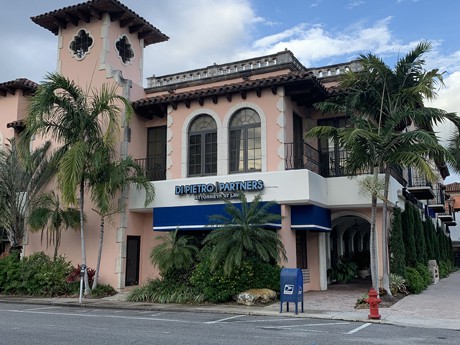

A Former Prosecutor’s Perspective – Now Fighting for Victims
When a crime is committed, the criminal justice system focuses on prosecuting the offender. But the victim, the person whose life has been upended, is too often left without a voice, without answers, and without a clear path to recovery. At Di Pietro Partners, we believe that victims of crimes deserve more than a seat in the courtroom gallery. They deserve aggressive, experienced legal representation dedicated to protecting their rights and securing the compensation they need to rebuild.
Founding attorney David Di Pietro and partner Nicole Martell are both former prosecutors who spent years in the courtroom pursuing justice on behalf of the State. That prosecutorial experience gives our team an unmatched understanding of how criminal cases are built, how evidence is gathered, and how the system works from the inside. Now in private practice, David and Nicole bring that same tenacity and courtroom command to the civil side representing victims directly and ensuring they are never an afterthought in the legal process.
Whether you are the victim of a violent crime, sexual assault, domestic violence, fraud, or any other criminal act, our attorneys can help you understand your rights under Florida law and pursue every available legal remedy.
Why a Former Prosecutor Makes the Best Victims’ Rights Attorney
Not every attorney understands how criminal cases move through the system. Our former prosecutors do. This background provides critical advantages for crime victims:
- Deep Knowledge of Criminal Procedure: We understand how investigations unfold, how evidence is preserved (or lost), and how to coordinate with law enforcement and prosecutors to protect your interests.
- Courtroom Confidence: David and Nicole have tried cases to verdict in criminal courtrooms. That trial experience translates directly to aggressive and effective civil litigation on your behalf.
- Navigating Parallel Proceedings: Crime victims often face overlapping criminal and civil cases. Our team knows how to advance your civil claims without jeopardizing the criminal prosecution—and how to use the criminal case to strengthen your civil recovery.
- Understanding Victim Impact: As former prosecutors, we have worked closely with victims and their families at every stage of the process. We know what victims go through, and we bring genuine empathy and urgency to every case.
Your Rights Under Florida Law
Florida has some of the strongest victims’ rights protections in the country. Article I, Section 16 of the Florida Constitution known as Marsy’s Law guarantees crime victims a comprehensive set of rights, including:
- The right to be informed of, to be present at, and to be heard at all crucial stages of criminal proceedings
- The right to due process and to be treated with fairness, respect, and dignity
- The right to be free from intimidation, harassment, and abuse
- The right to reasonable protection from the accused
- The right to full and timely restitution from the offender
- The right to proceedings free from unreasonable delay
- The right to confer with the prosecuting attorney
- The right to be informed of the conviction, sentence, adjudication, and release of the offender
Beyond constitutional protections, Florida statutes provide additional rights and remedies for crime victims, including the right to pursue civil causes of action independent of any criminal prosecution.
Areas of Representation
Di Pietro Partners represents victims of crimes across a wide range of criminal conduct. Our representation encompasses both the enforcement of victims’ rights within the criminal justice system and the pursuit of civil remedies including personal injury, wrongful death, and other damages claims.
-
Violent Crimes >
Representation for victims of assault, battery, robbery, attempted murder, and other acts of violence. We pursue civil claims for physical injuries, emotional trauma, lost wages, and long-term care costs resulting from violent criminal acts
-
Sexual Assault & Abuse >
Compassionate and aggressive advocacy for survivors of rape, sexual battery, molestation, and sexual exploitation. Our attorneys pursue civil claims against perpetrators and, where applicable, against institutions that enabled the abuse through negligent supervision, hiring, or security.
-
Domestic Violence >
Legal representation for victims of domestic violence, stalking, and intimate partner abuse. We assist with civil injunctions for protection, damages claims, and coordination with criminal proceedings to ensure the victim’s safety and recovery.
-
Homicide / Wrongful Death >
Representation of families who have lost a loved one to a criminal act. Florida’s wrongful death statute provides surviving family members with the right to recover damages including lost support and services, mental pain and suffering, medical and funeral expenses, and lost net accumulations.
-
Child Abuse & Exploitation >
Advocacy for minor victims and their families in cases involving physical abuse, neglect, sexual abuse, and online exploitation. We pursue civil claims against individual perpetrators as well as institutions, schools, religious organizations, and other entities that failed to protect children in their care.
-
Human Trafficking >
Representation for victims of sex trafficking and labor trafficking under both Florida and federal law. The Florida Human Trafficking statute and the federal Trafficking Victims Protection Act provide civil causes of action that allow victims to recover compensatory damages, punitive damages, and attorney’s fees.
-
Elder Abuse & Exploitation >
Protection and advocacy for elderly victims of physical abuse, neglect, financial exploitation, and fraud. Florida law provides enhanced protections and remedies for elderly and vulnerable adult victims, including claims under the Florida Adult Protective Services Act.
-
Fraud & Financial Crimes >
Representation for victims of identity theft, embezzlement, Ponzi schemes, investment fraud, insurance fraud, and other financial crimes. We pursue civil recovery to restore stolen assets and obtain damages beyond what criminal restitution may provide.
-
DUI / Drunk Driving Injuries >
Civil claims on behalf of individuals and families injured or killed by drunk or impaired drivers. These cases often involve substantial damages and may include claims against bars, restaurants, or social hosts under Florida’s dram shop and social host liability laws.
-
Hate Crimes >
Legal advocacy for victims targeted because of their race, ethnicity, religion, sexual orientation, gender identity, national origin, or disability. We pursue civil rights claims and damages actions to hold perpetrators and, where applicable, negligent third parties accountable.
-
Cybercrime & Online Harassment >
Representation for victims of cyberstalking, online harassment, non-consensual pornography (revenge porn), hacking, sextortion, and digital fraud. Florida statutes specifically address many of these offenses and provide both criminal penalties and civil remedies.
-
Workplace Violence >
Claims on behalf of employees and visitors who are victims of assaults, threats, or violent acts in the workplace. Where an employer’s negligence in hiring, supervision, or security contributed to the harm, we pursue third-party liability claims for full damages.
Civil Claims vs. Criminal Prosecution: Understanding the Difference
Many crime victims do not realize that the criminal case brought by the State is separate from their right to pursue a civil lawsuit. These are two distinct legal processes, and each serves a different purpose:
Criminal Prosecution: The State of Florida brings charges against the offender. The goal is to determine guilt and impose punishment (jail, prison, probation, fines). While the victim may participate as a witness, the victim is not a party to the case and does not control the proceedings.
Civil Lawsuit: The victim brings a private civil action against the offender (and potentially other responsible parties) to recover monetary damages for injuries, emotional distress, lost income, medical expenses, and other losses. The burden of proof is lower in civil cases (preponderance of the evidence vs. beyond a reasonable doubt), and the victim has direct control over the case.
A criminal conviction is not required to bring a civil claim. Even if the offender is acquitted or charges are dropped, the victim may still have a viable civil case. Conversely, a criminal conviction can be powerful evidence in a subsequent civil action.
At Di Pietro Partners, we help crime victims navigate both tracks simultaneously, ensuring that their rights are protected in criminal proceedings while aggressively pursuing maximum compensation through civil claims.
Third-Party Liability: Holding Institutions Accountable
In many cases, the criminal offender is not the only party responsible for the victim’s harm. Third parties businesses, property owners, employers, schools, and other institutions may bear legal responsibility when their negligence contributed to the crime or its consequences. Common third-party liability theories include:
- Negligent Security: Property owners, landlords, hotels, shopping centers, parking garages, and event venues may be liable when inadequate security measures—such as broken locks, insufficient lighting, lack of surveillance cameras, or failure to employ security personnel create conditions that allow criminal activity to occur.
- Negligent Hiring & Supervision: Employers, schools, daycare centers, religious institutions, and healthcare facilities may be liable when they fail to properly screen, supervise, or discipline employees or volunteers who commit criminal acts against those in their care.
- Negligent Entrustment: Individuals or businesses that provide access to vehicles, weapons, or other instrumentalities to persons they know (or should know) pose a risk of harm may be liable for resulting injuries.
- Dram Shop & Social Host Liability: Bars, restaurants, and other alcohol-serving establishments may face liability under Florida law when they serve alcohol to a minor or a person known to be habitually addicted to alcohol, and that person subsequently causes injury.
- Institutional Abuse Failures: Schools, churches, youth organizations, nursing homes, and other institutions may be liable for systemic failures to prevent abuse, report known offenders, or protect vulnerable individuals in their care.
Third-party claims are often critical to a victim’s full recovery, as the individual criminal offender may lack the financial resources to satisfy a judgment. Institutional defendants typically carry insurance and have assets that can provide meaningful compensation.
Criminal Restitution & Civil Recovery
Florida law entitles crime victims to restitution as part of the criminal sentencing process. Under Section 775.089, Florida Statutes, courts are required to order restitution for certain offenses, and may order it in any criminal case where the victim has suffered a loss. Restitution can cover medical expenses, lost income, property damage, funeral costs, and other out-of-pocket losses.
However, criminal restitution has significant limitations. It typically does not cover non-economic damages such as pain and suffering, emotional distress, or loss of quality of life. It also depends on the offender’s ability to pay and can take years to collect. A civil lawsuit provides the opportunity to recover full and fair compensation including non-economic and, in some cases, punitive damages from both the offender and any responsible third parties.
Our attorneys work to maximize recovery through every available avenue, coordinating restitution efforts in the criminal case with civil claims to ensure our clients receive the most comprehensive recovery possible.
Injunctions for Protection
Victims of crimes involving violence, threats, or harassment may seek injunctions for protection under Florida law. Di Pietro Partners assists victims in obtaining and enforcing the following types of protective orders:
- Domestic Violence Injunctions (Florida Statute § 741.30)
- Repeat Violence Injunctions (Florida Statute § 784.046)
- Sexual Violence Injunctions (Florida Statute § 784.046)
- Dating Violence Injunctions (Florida Statute § 784.046)
- Stalking Injunctions (Florida Statute § 784.0485)
These injunctions can order the offender to stay away from the victim, vacate a shared residence, have no contact with the victim or the victim’s family, surrender firearms, and comply with other conditions designed to ensure the victim’s safety. Violation of an injunction is a criminal offense in Florida. Our team handles every stage of the process, from emergency temporary injunctions through final hearings and enforcement actions.
Marsy’s Law Enforcement
Since the passage of Marsy’s Law in 2018, crime victims in Florida have constitutionally protected rights that are enforceable through the courts. Despite these protections, victims’ rights are routinely overlooked or disregarded in the criminal justice process. Common violations include failure to notify victims of court dates or the offender’s release, exclusion of victims from proceedings, and failure to seek or enforce restitution orders.
Di Pietro Partners advocates for victims whose Marsy’s Law rights have been violated. We file motions to enforce victims’ rights, seek standing for victims in criminal proceedings, and, where appropriate, pursue legal action against agencies or officials who fail to honor their obligations under the Florida Constitution.
Time Limits: Florida Statutes of Limitations
Crime victims who wish to pursue civil claims must be aware of Florida’s statutes of limitations, which impose strict deadlines for filing lawsuits. Key limitation periods include:
- Personal Injury / Negligence: Two (2) years from the date of the incident (Florida Statute § 95.11(3)).
- Wrongful Death: Two (2) years from the date of death (Florida Statute § 768.19).
- Intentional Torts (Assault, Battery, etc.): Four (4) years from the date of the incident (Florida Statute § 95.11(3)).
- Fraud: Four (4) years, with a discovery rule that may extend the deadline in certain circumstances (Florida Statute § 95.031).
- Claims Involving Minors: The statute of limitations is generally tolled (paused) until the minor reaches the age of majority, with certain exceptions.
- Sexual Abuse of Minors: Florida has extended limitation periods for childhood sexual abuse claims. Specific deadlines depend on the nature of the offense and the date it occurred.
Because these deadlines are strict and missing them can permanently bar your claim, it is essential to consult with an attorney as soon as possible after a crime occurs.
What to Expect When You Contact Our Firm
We understand that reaching out to a lawyer after experiencing a crime can feel overwhelming. At Di Pietro Partners, we treat every victim with the dignity, compassion, and respect they deserve. Here is what you can expect when you contact us:
- Confidential Consultation: We offer free, confidential consultations to crime victims. You can speak with an attorney about your situation without any obligation.
- Case Evaluation: Our team will review the facts of your case, explain your rights under Florida law, and identify all potential avenues for recovery—including criminal restitution, civil claims against the offender, and third-party liability claims.
- No Upfront Costs: In most crime victim cases, we work on a contingency fee basis, meaning you pay nothing unless we recover compensation on your behalf.
- Coordinated Representation: We coordinate with law enforcement, prosecutors, and victim advocacy organizations to ensure that your rights are protected at every stage of both the criminal and civil processes.
- Aggressive Advocacy: Our former prosecutors bring the same intensity and preparation to your civil case that they brought to the courtroom as prosecutors. We fight for maximum compensation and full accountability.
Contact Di Pietro Partners Today
If you or a loved one has been the victim of a crime in Florida, you have legal rights and you may be entitled to significant compensation. Do not wait—statutes of limitations can bar your claims if you delay. Contact Di Pietro Partners today for a free, confidential consultation.
FREE CONSULTATION
Call: 1.800.712.8462
Email: contact@ddpalaw.com
Fort Lauderdale | Fort Myers | Tampa | Jacksonville | Miami | West Palm Beach | Orlando
www.ddpalaw.com