

Why Healthcare Whistleblowers Choose Di Pietro Partners
✓ Former Prosecutors
✓ Former U.S. Department of Justice Attorneys
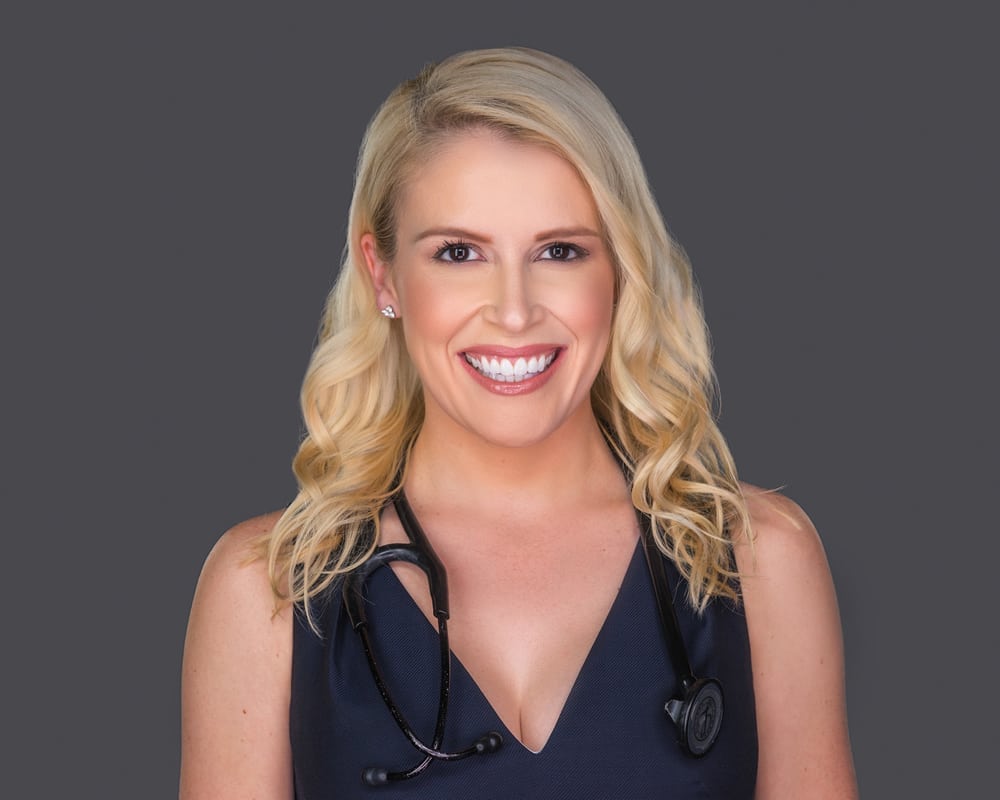
✓ Quadruple Board-Certified Physician Serving as Medical Advisor
✓ Former Broward Health Chairman
✓ Nationwide Healthcare Whistleblower Representation
✓ Contingency Fee Representation for Eligible Cases
Whistleblower Healthcare Fraud Attorneys
Healthcare fraud encompasses a broad range of illegal activities that can affect government healthcare programs such as Medicare, Medicaid, and TRICARE, as well as private health insurers. Government healthcare programs distribute hundreds of billions of dollars each year to provide healthcare coverage and services to eligible beneficiaries. The vast scale and complexity of these healthcare systems, combined with the significant funds involved, make them prime targets for fraudulent activities.
The healthcare fraud lawyers at Di Pietro Partners represent whistleblowers. We understand the courage it takes to step forward and the importance of ensuring your rights and interests are protected throughout the process.
Our attorneys work on a contingency fee basis for eligible whistleblower cases, meaning attorney fees are generally contingent on obtaining a recovery, subject to the terms of the firm’s written fee agreement. This approach aligns our success with yours and can allow qualifying whistleblowers to pursue a claim without paying hourly attorney fees as the case progresses.
If you suspect healthcare fraud and are considering taking action, don’t navigate this challenging landscape alone. Contact our law firm for a free consultation today.
Our Healthcare Whistleblower Lawyers in The Media
— Table of Contents —
- What is Healthcare Fraud/Abuse?
- Who We Represent
- Industries & Healthcare Organizations We Investigate
- How to Report Healthcare Fraud
- Types of Healthcare Fraud
- Healthcare Whistleblower Rewards
- Whistleblower Retaliation Protections Under the False Claims Act
- How We Can Help
- Our Healthcare Whistleblower Process
- Why Healthcare Whistleblowers Choose Di Pietro Partners
- Federal Whistleblower Laws
- Healthcare Fraud Schemes We Handle
- Other Types of Healthcare Fraud
- Healthcare Fraud Enforcement & Whistleblower Case Examples
- Healthcare Fraud FAQ
- Talk to a Healthcare Fraud Attorney
What is Healthcare Fraud/Abuse?
Healthcare fraud generally involves intentional deception or misrepresentation to obtain money or benefits from a healthcare program, while healthcare abuse can involve improper practices that result in unnecessary costs or payments without the same level of intent required to establish fraud. For example, Medicare is designed to provide healthcare services to people 65 and older, certain younger people with disabilities, and people with End-Stage Renal Disease or ALS, subject to applicable eligibility requirements, and Medicare spending exceeded $1.1 trillion in 2024. Given the program’s vast scale and intricate nature, effective detection and prevention of fraud are heavily dependent on the vigilance of whistleblowers.
Medicare and Medicaid fraud manifest in various forms, all sharing the common goal of illicit financial gain. Some prevalent types of fraud include:
Billing for Services Not Rendered – This involves healthcare providers submitting claims for procedures or services that patients did not actually receive. An example would be a therapist billing Medicare for comprehensive physical therapy treatments when only basic massage therapy was provided.
Upcoding – In this scenario, providers intentionally use higher billing codes for services or procedures than what was actually performed, aiming to receive higher reimbursements than they are entitled to.
Unnecessary Procedures – Knowingly billing Medicare or Medicaid for medically unnecessary procedures in order to obtain reimbursement may constitute healthcare fraud or support liability under laws such as the False Claims Act. This is particularly concerning when it targets vulnerable populations, such as the elderly without family oversight.
False Documentation – This encompasses a range of deceptive practices, including billing for procedures that were never performed, patients that were never seen, or home health care visits that never occurred.
Identifying and addressing healthcare fraud is crucial for the integrity of these healthcare programs. Legal mechanisms and protections are in place to support whistleblowers in reporting such activities, ensuring that funds are used appropriately to benefit those in genuine need of medical care.
Who We Represent
Healthcare fraud often comes to light because someone inside an organization recognizes that something isn’t right. At Di Pietro Partners, we represent whistleblowers from across the healthcare industry who have firsthand knowledge of fraudulent billing practices, illegal kickback arrangements, false claims, and other violations involving federal healthcare programs.
Our healthcare fraud attorneys regularly evaluate potential whistleblower matters involving:
- Physicians and Medical Directors
- Nurses and Nurse Practitioners
- Physician Assistants
- Hospital Employees
- Practice Administrators
- Medical Billers and Coders
- Compliance Officers
- Revenue Cycle Professionals
- Laboratory Employees
- Pharmacy Employees
- Home Health Employees
- Hospice Employees
- Ambulatory Surgery Center (ASC) Employees
- Medical Device and DME Company Employees
- Behavioral Health Professionals
- Healthcare Executives and Practice Owners
Whether you work for a private medical practice, hospital system, pharmacy, laboratory, telehealth company, home health agency, hospice provider, or another healthcare organization, our attorneys can confidentially evaluate your concerns and explain your legal options under the False Claims Act and other applicable whistleblower laws.
Industries and Healthcare Organizations We Investigate
Healthcare fraud can occur in virtually every sector of the healthcare industry. Our attorneys represent whistleblowers with firsthand knowledge of fraud involving a wide range of healthcare providers, organizations, and businesses.
Potential matters may involve:
- Hospitals and Health Systems
- Private Medical Practices
- Ambulatory Surgery Centers (ASCs)
- Home Health Agencies
- Hospice Providers
- Skilled Nursing Facilities
- Pharmacies
- Clinical Laboratories
- Diagnostic Imaging Centers
- Telehealth Companies
- Durable Medical Equipment (DME) Suppliers
- Behavioral Health and Addiction Treatment Centers
- Pharmaceutical Companies
- Medical Device Manufacturers
- Healthcare Staffing Companies
Whether the suspected fraud involves improper billing, kickback arrangements, medically unnecessary services, false documentation, or violations of the False Claims Act, our whistleblower attorneys can evaluate your concerns and discuss your legal options during a confidential consultation.
How to Report Healthcare Fraud
Reporting healthcare fraud is a critical step in safeguarding the integrity of healthcare services and ensuring that resources are allocated appropriately. If you suspect fraudulent activities, the following steps are crucial:
– Gather Documentation – Collect any evidence related to the suspected fraud. This could include billing statements, emails, internal reports, or any other documents that could substantiate your claims. Ensure that you adhere to company policies and legal regulations when obtaining these documents to avoid any personal legal repercussions.
– Write a Detailed Memo – As soon as possible, document your observations and the specifics of the suspected fraud in a memo to yourself. Given that legal proceedings and investigations can extend over several years, this memo can serve as a vital record, preserving the accuracy of your recollections and observations.
– Compile a List of Relevant Documents – Make a list of any additional documents that could be pertinent to your case but are not currently in your possession. This could include internal records, billing information, or correspondence that you know exists but do not have direct access to. This list can guide investigators and legal representatives in their inquiry.
– Contact a Healthcare Fraud Attorney – Reach out to a law firm specializing in Medicare fraud. These firms are well-versed in the complexities of healthcare fraud cases and can provide the necessary legal guidance and representation. They can assist in navigating the legal system, ensuring that your report is filed correctly, and that you are protected throughout the process.
– Report to Government Authorities – In addition to working with a healthcare fraud lawyer, you can report suspected Medicare fraud directly to government authorities. This can be done through the Office of the Inspector General (OIG) of the U.S. Department of Health and Human Services (HHS), or through the Medicare fraud hotline.
– Consider Whistleblower Protections – If you are reporting fraud within your organization, consider the protections afforded to whistleblowers under federal and state laws. These laws can offer protection from retaliation, ensuring that individuals who report wrongdoing are not unjustly penalized.
By following these steps, you can play a crucial role in combating healthcare fraud, contributing to a more ethical and sustainable healthcare system. Remember, effective reporting starts with accurate documentation and seeking the right legal and professional guidance.
Types of Healthcare Fraud
Healthcare fraud takes various forms. One common trait each fraudulent act shares is the desire to exploit the government for financial gain. In other words, the perpetrators want to make money. Some common types of healthcare fraud include:
- Billing for services not rendered: For example, a physical therapy practice may only provide massage therapy to patients. However, the therapist bills Medicare for ultrasound, traction, electrotherapy, ice, and heat. Each service has a code and cost involved. Thus, the therapist gets paid more for services not received by the patient. Simply put, the therapist has committed Medicare fraud.
- Coding: Providers intentionally assign a higher billing code to a service or procedure. This is illegal when the code is purposely written incorrectly to obtain higher reimbursement.
- Unnecessary procedures: Any unnecessary procedure billed to Medicare or Medicare is considered fraud. If an employee of any medical practice sees this happening, they should contact an attorney and report it. Sadly, this may happen to the elderly when no family oversees their care.
- False documentation: Billing for procedures never performed, or billing for patients not seen at the practice is illegal. Also, billing for home health care visits that never happened is fraud. Once again, employees should seek legal guidance if this is happening where they work.
- Kickbacks and Referrals: This involves knowingly and willfully offering, paying, soliciting, or receiving remuneration to induce or reward referrals for items or services reimbursable by a federal healthcare program. Such arrangements may violate the federal Anti-Kickback Statute, subject to applicable exceptions and safe harbors. The law is intended to prevent improper financial incentives from influencing healthcare referrals and decision-making.
- Phantom Billing: This generally refers to billing Medicare, Medicaid, or another healthcare program for services, procedures, or supplies that were never actually provided. Billing for a more expensive service than was performed is typically considered upcoding, while billing multiple times for the same service is generally considered duplicate billing.
- Upcoding of Patient Diagnosis: This can involve knowingly reporting diagnosis codes that make a patient appear sicker than is supported by the medical record in order to obtain higher reimbursement or risk-adjusted payments. In Medicare Advantage, for example, unsupported or inaccurate diagnoses can improperly increase a patient’s risk score and the payments made by Medicare.
- Prescription Fraud: Involves prescribing unnecessary medications, sometimes in collusion with a pharmacy, to bill Medicare or Medicaid for medications not needed by the patient. It also includes pill mill schemes where medications, especially opioids, are prescribed without legitimate medical reasons.
- Identity Theft: Using another person’s Medicare or Medicaid information to receive healthcare services or to bill for services not rendered.
- Equipment Fraud: Knowingly billing Medicare, Medicaid, or another healthcare program for medical equipment, supplies, or prosthetics that were not provided, not ordered as represented, or not medically necessary may constitute healthcare fraud. This could include durable medical equipment like wheelchairs or diabetic supplies.s.
Healthcare Fraud Whistleblower Rewards
Whistleblowers are indispensable in the fight against healthcare fraud, serving as the frontline in identifying and reporting fraudulent activities within Medicare and other healthcare programs. The federal False Claims Act allows private individuals, known as qui tam relators, to bring certain lawsuits on behalf of the United States alleging fraud against the government, subject to the requirements and limitations of the Act. Known as qui tam relators, these whistleblowers need the expertise of seasoned healthcare fraud attorneys to navigate the complexities of such legal actions effectively.
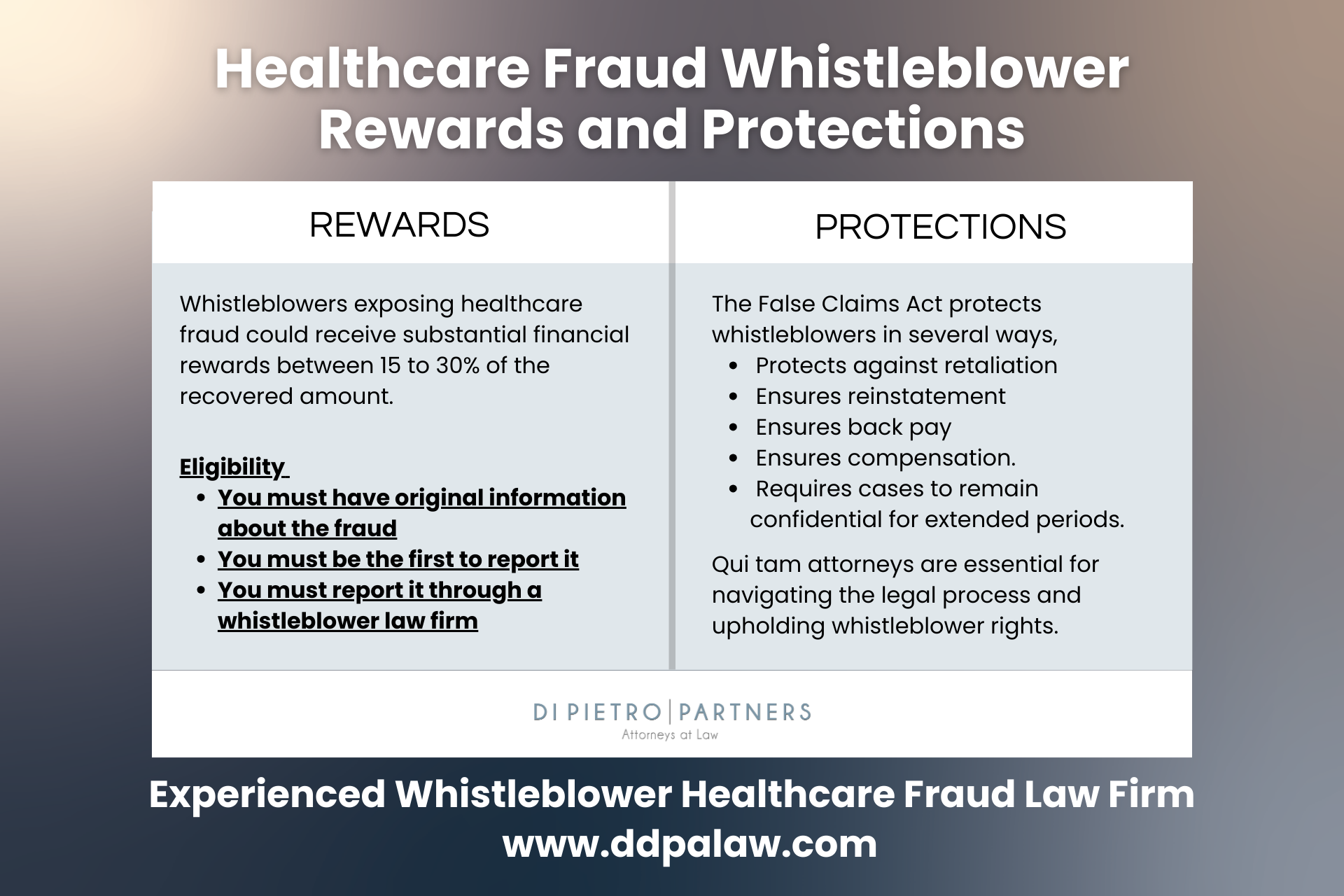
Filing a qui tam lawsuit with the guidance of a knowledgeable healthcare fraud attorney can lead to substantial rewards for whistleblowers. Should the lawsuit prove successful, a whistleblower can receive up to 30% of the funds recovered from the fraudulent activities. This percentage can vary, especially if the government decides to intervene and actively participate in the case, which may affect the portion of the recovery awarded to the whistleblower.
Recognizing Medicare or Medicaid fraud often stems from close observation and questioning of practices within one’s workplace. Whether it’s being asked to partake in questionable billing practices or noticing inconsistencies that suggest fraudulent activities, these are significant red flags. It’s crucial for individuals who suspect fraudulent actions against Medicare or Medicaid to consult with a specialized healthcare fraud attorney. These professionals can offer invaluable advice on how to proceed safely and effectively, including how the False Claims Act’s anti-retaliation provisions may apply and whether the individual may qualify for a share of a successful recovery.
For anyone aware of healthcare fraud, taking action is not just a moral duty but also a legally supported decision that can lead to significant financial rewards and contribute to the integrity and sustainability of vital healthcare programs. Consulting with a healthcare fraud attorney is the first step in this impactful journey.
The reason for the second change is that the current phrase “ensuring that whistleblowers are protected and rewarded” is too absolute. The FCA does provide anti-retaliation remedies, but they apply under specified circumstances, and a financial relator award depends on a successful qualifying action. The statute generally provides 15-25% when the government proceeds with the case and 25-30% when it does not, subject to statutory exceptions and reductions.
Whistleblower Retaliation Protections Under the False Claims Act
The False Claims Act includes protections for employees, contractors, and agents who face retaliation because of lawful actions taken in furtherance of a False Claims Act case or other lawful efforts to stop suspected violations of the Act. Prohibited retaliation can include discharge, demotion, suspension, threats, harassment, or other discrimination affecting the terms and conditions of employment.
When the statute applies, an individual subjected to unlawful retaliation may be entitled to remedies that include reinstatement, two times the amount of back pay, interest on back pay, compensation for certain special damages, litigation costs, and reasonable attorneys’ fees. A retaliation claim under the False Claims Act generally must be brought within three years of the retaliatory act. Because the availability of these protections depends on the particular facts and conduct involved, healthcare workers concerned about retaliation should consider speaking with counsel before taking action.
How We Can Help
The journey begins with an exhaustive evaluation of the alleged fraud. Our legal team meticulously assesses the details, leveraging our extensive expertise to determine the feasibility of pursuing a whistleblower (qui tam) case under the False Claims Act. This critical first step ensures that the foundation of the case is robust and meets the stringent legal criteria required for whistleblower actions.
Should the evidence point towards a viable case, our attorneys then embark on the intricate process of filing a qui tam lawsuit. This process is characterized by the careful preparation and presentation of detailed evidence, documenting the fraudulent activities comprehensively. We aim to construct a compelling case for the government, highlighting the misconduct’s scope and its repercussions on the Medicare program, thereby facilitating the successful prosecution and recovery of unlawfully obtained funds.
Our involvement doesn’t end with the filing of the lawsuit. The government will investigate the allegations and decide whether to intervene and take primary responsibility for the action or decline to intervene. If the government declines, the relator generally has the right to continue pursuing the action. Our attorneys remain involved throughout the investigation and litigation process, working with government officials when appropriate and representing the whistleblower’s interests as the case proceeds.
In partnering with Di Pietro Partners, whistleblowers gain not just legal representation, but advocates committed to the principles of justice and integrity in healthcare. Our attorneys are here to guide you through each phase of the legal process, offering expertise, support, and a determined pursuit of a successful outcome. If you suspect healthcare fraud and are contemplating taking action, let us stand with you. Together, we can make a significant impact in the fight against healthcare fraud, safeguarding resources intended for the welfare of patients and the healthcare system at large.
Our Healthcare Whistleblower Process
Reporting healthcare fraud can feel overwhelming, especially if you’re concerned about your career, confidentiality, or potential retaliation. Our attorneys guide whistleblowers through every stage of the process while protecting their legal rights.
Step 1: Confidential Case Evaluation
We begin with a confidential consultation to understand your concerns, review the facts, and determine whether your situation may involve violations of the False Claims Act or other healthcare fraud laws.
Step 2: Evidence Review
Our legal team evaluates the available information, including billing records, internal communications, compliance concerns, and other documentation that may support a whistleblower claim.
Step 3: Legal Strategy
If we believe a viable whistleblower case exists, we develop a strategy tailored to your situation. We explain the legal process, discuss potential risks, and answer your questions before any action is taken.
Step 4: Filing the Whistleblower Claim
When appropriate, we prepare and file a qui tam action under the False Claims Act. The complaint must be filed under seal and remain under seal for at least 60 days while the government investigates the allegations and decides whether to intervene. The defendant is not served with the complaint until the court orders service.
Step 5: Government Investigation
Federal investigators may review the evidence, interview witnesses, and determine whether to intervene in the case. Throughout this process, we remain your advocate and work closely with government agencies when appropriate.
Step 6: Pursuing Accountability
Whether through settlement or litigation, our goal is to hold those responsible for healthcare fraud accountable while protecting your interests throughout the process.
Why Healthcare Whistleblowers Choose Di Pietro Partners
Healthcare Fraud Experience From Multiple Perspectives
David Di Pietro’s healthcare practice includes representing whistleblowers in False Claims Act matters as well as representing healthcare providers in separate regulatory and litigation matters. This experience gives the firm insight into the allegations raised by whistleblowers as well as the healthcare operations, billing practices, documentation, and defenses that may become important as a case develops. David has also publicly discussed his experience representing both whistleblowers and healthcare providers.
Firsthand Experience as a False Claims Act Relator
David also has firsthand experience with the whistleblower process. He previously served as a False Claims Act relator in a qui tam action involving 21st Century Oncology and Broward Health. That experience gives him a perspective few attorneys can claim: he has personally experienced what it means to step forward as a relator and participate in the federal qui tam process. The federal government ultimately declined to intervene in that matter, and the underlying complaint was later voluntarily dismissed.
More Than 20 Years of Litigation and Trial Experience
False Claims Act cases are litigation, and the ability to build and present a complicated case matters. David has more than 20 years of litigation experience, has tried more than 70 jury trials, and has handled hundreds of bench trials and evidentiary hearings. His practice includes healthcare law, healthcare litigation, and complex whistleblower and qui tam matters.
David also previously served as Chairman of the North Broward Hospital District, commonly known as Broward Health. That leadership experience gave him firsthand exposure to the operations and governance of a major public healthcare system, including issues involving healthcare compliance, physician relationships, risk management, and institutional decision-making.
Federal Government and Qui Tam Experience
The firm’s team includes a former U.S. Department of Justice attorney, adding federal-government experience to matters that may involve DOJ, U.S. Attorney’s Offices, HHS-OIG, and other federal agencies.
Di Pietro Partners also understands the practical stages of a healthcare whistleblower case from evaluating the underlying evidence and preparing a qui tam complaint to navigating the seal period, communicating with government attorneys and investigators, and preparing clients for government interviews when appropriate. David has described working with the Department of Justice and U.S. Attorney’s Offices in connection with healthcare whistleblower matters.
Medical Insight Within the Firm
Many healthcare fraud cases turn on medical questions: Was a service medically necessary? Does the documentation support the diagnosis? Does the treatment described in the record match what was billed?
Dr. Tiffany Di Pietro serves as Medical Advisor to Di Pietro Partners. She is a licensed Florida physician and quadruple board-certified in Internal Medicine, Cardiology, Echocardiography, and Nuclear Cardiology. Her clinical background can provide the legal team with additional medical insight when evaluating healthcare records, diagnoses, treatment patterns, and medical-necessity issues that arise in appropriate cases.
Nationwide Healthcare Whistleblower Representation
Healthcare fraud involving federal programs is not limited by Florida’s borders. Di Pietro Partners evaluates qualifying whistleblower matters nationwide, including cases involving Medicare, Medicaid, TRICARE, medical billing, durable medical equipment, pharmaceuticals, telehealth, kickbacks, Medicare Advantage risk adjustment, and other alleged False Claims Act violations. Potential whistleblowers may include physicians, nurses, executives, compliance officers, billing personnel, practice administrators, financial personnel, contractors, and other insiders with direct knowledge of suspected fraud.
Contingency Fee Representation for Eligible Whistleblower Cases
Di Pietro Partners handles eligible False Claims Act whistleblower matters on a contingency-fee basis. For qualifying cases, attorney fees are generally contingent upon obtaining a recovery, subject to the terms of the firm’s written fee agreement. This allows potential whistleblowers to have their allegations evaluated and, when appropriate, pursue a case without paying hourly attorney fees as the matter progresses.
Federal Healthcare Fraud Laws
False Claims Act (FCA) – False Claims Act (FCA) – This act prohibits knowingly submitting or causing the submission of false or fraudulent claims for payment or approval by the federal government. Liability can also arise from knowingly using false records or statements material to a false claim and from certain other conduct covered by the statute. Under the FCA, individuals and companies can be held liable for submitting fraudulent claims to Medicare. The FCA also includes whistleblower provisions, allowing private individuals to file lawsuits on behalf of the government and potentially receive a share of the proceeds from a successful action or settlement, subject to the requirements of the statute.
Anti-Kickback Statute (AKS) – The AKS makes it illegal to knowingly and willfully offer, pay, solicit, or receive any remuneration to induce or reward referrals, purchases, orders, or recommendations involving items or services payable by a federal healthcare program, including Medicare and Medicaid. Certain arrangements may be protected by statutory exceptions or regulatory safe harbors. The AKS aims to ensure that medical decisions are based on the best interests of patients rather than on inappropriate financial incentives.
Physician Self-Referral Law (Stark Law) – The Stark Law generally prohibits a physician from referring Medicare patients for certain designated health services to an entity with which the physician or an immediate family member has a financial relationship, unless an applicable exception is satisfied. It also prohibits the entity from submitting claims for designated health services resulting from a prohibited referral. Related Medicaid provisions extend certain physician self-referral restrictions to Medicaid.
Health Care Fraud Statute – This statute makes it a criminal offense to knowingly and willfully execute, or attempt to execute, a scheme to defraud any healthcare benefit program or to obtain, by means of false or fraudulent pretenses, representations, or promises, any money or property owned by, or under the custody or control of, any healthcare benefit program. In connection with the delivery of or payment for healthcare benefits, items, or services.
Violations of these laws can result in severe penalties, including fines, restitution, and imprisonment. The federal government, through various agencies such as the Department of Health and Human Services’ Office of Inspector General (HHS-OIG) and the Department of Justice (DOJ), enforces these laws rigorously. HHS-OIG investigates healthcare fraud and pursues certain administrative remedies, while DOJ prosecutes criminal cases and handles civil enforcement actions. These agencies frequently work together, along with other federal and state partners, to investigate healthcare fraud, recover improperly obtained funds, and prevent future misconduct.
Healthcare Fraud Schemes We Handle
Healthcare fraud can take many forms, from improper billing practices to complex kickback arrangements and false claims submitted to government healthcare programs. At Di Pietro Partners, we represent whistleblowers with knowledge of a wide range of healthcare fraud schemes. Below are some of the most common types of healthcare fraud our attorneys investigate.
Medicare Fraud
Medicare fraud can involve knowingly submitting or causing the submission of false or fraudulent claims to the Medicare program, as well as other intentional schemes designed to obtain improper Medicare payments. Common examples include billing for services never provided, upcoding, medically unnecessary procedures, and falsifying patient records.
Learn More About Medicare Fraud →
Medicaid Fraud
Medicaid fraud can involve knowingly submitting or causing the submission of false or fraudulent claims to Medicaid, as well as other schemes designed to obtain improper Medicaid payments. Medicaid is administered by states under federal requirements and is jointly funded by the states and the federal government. These cases often involve fraudulent billing, kickback arrangements, or services that were never medically necessary.
Learn More About Medicaid Fraud →
Medical Billing Fraud
Medical billing fraud can involve knowingly submitting false or misleading claims through practices such as upcoding, improper unbundling, duplicate billing, and charging for services that were never performed. These schemes can result in significant financial losses to government healthcare programs.
Learn More About Medical Billing Fraud →
Telehealth Fraud
The rapid growth of telemedicine has created new opportunities for fraud. Telehealth fraud may involve billing for telehealth services that were not provided as claimed, ordering or certifying medically unnecessary services through telemedicine, or submitting false claims tied to virtual healthcare encounters.
Learn More About Telehealth Fraud →
TRICARE Fraud
TRICARE fraud may involve knowingly submitting false claims, illegal kickback arrangements, billing for medically unnecessary services, or other fraudulent conduct affecting TRICARE, the uniformed services healthcare program. TRICARE serves active-duty service members, National Guard and Reserve members, retirees, and eligible family members, among other beneficiary groups. Whistleblowers play an important role in protecting military healthcare resources from fraud and abuse.
Learn More About TRICARE Fraud →
Pharmaceutical Fraud
Pharmaceutical fraud may involve unlawful off-label promotion that causes false claims to government healthcare programs, false or inflated drug pricing, illegal kickback arrangements, or other fraudulent conduct involving prescription drugs and federal healthcare programs. These cases often result in significant False Claims Act investigations and recoveries.
Learn More About Pharmaceutical Fraud →
Laboratory, Pharmacy & Medical Equipment Fraud
Healthcare fraud can also involve knowingly billing for medically unnecessary laboratory testing, submitting false or fraudulent pharmacy claims, or durable medical equipment (DME) schemes involving items that were not delivered, not ordered as represented, or not medically necessary.
Learn More About Laboratory, Pharmacy & DME Fraud →
If you have firsthand knowledge of any of these or another form of healthcare fraud our attorneys can confidentially evaluate your concerns and explain your legal options under the False Claims Act and other applicable whistleblower laws.
Other Types of Healthcare Fraud
Besides Medicare fraud, the healthcare industry faces various other types of fraud that can significantly impact both the financial integrity of healthcare systems and patient care. These include:
Medicaid Fraud – Similar to Medicare fraud, Medicaid fraud can involve knowingly submitting false claims or engaging in other schemes designed to obtain improper payments from Medicaid. Medicaid is a joint federal-state program that provides health coverage to eligible populations, including low-income adults, children, pregnant women, seniors, and people with disabilities. Fraudulent activities can include billing for services not rendered, upcoding, and knowingly billing for medically unnecessary services.
Private Insurance Fraud – This type of fraud involves knowingly submitting false or fraudulent claims to private health insurance companies. Tactics can include billing for services not provided, submitting duplicate claims, and knowingly billing for medically unnecessary services as part of a fraudulent scheme.
Prescription Drug Fraud – Prescription drug fraud can involve various schemes, including “doctor shopping” to obtain multiple prescriptions, forging or altering prescriptions, and illegal distribution and sale of prescription medications. Pharmaceutical companies may also engage in fraud through unlawful off-label promotion that causes false claims to government healthcare programs, illegal kickback arrangements, or false or inflated drug pricing.
Kickbacks and Referral Schemes – Illegal kickbacks can involve knowingly and willfully offering, paying, soliciting, or receiving remuneration to induce or reward referrals, purchases, orders, or recommendations involving items or services payable by a federal healthcare program. Certain arrangements may fall within statutory exceptions or regulatory safe harbors. The Anti-Kickback Statute specifically targets this type of fraud to ensure medical decisions are based on patient needs rather than financial incentives.
Provider Identity Theft – Fraudsters may use a healthcare provider’s identity or billing credentials to submit false claims for services never rendered or to obtain controlled substances for illegal distribution. This not only defrauds healthcare programs but also can expose the affected provider to financial, regulatory, and reputational harm.
Upcoding and Unbundling – Upcoding involves using a billing code that represents a more expensive or higher-level service than was actually provided or supported by the documentation, while unbundling refers to improperly billing separately for services that should be billed together under an applicable bundled code or payment rule. When done knowingly to obtain improper reimbursement, these practices may constitute healthcare fraud.
False or Exaggerated Claims for Disability Benefits – Knowingly making false statements or concealing material information to obtain or continue receiving disability benefits may constitute fraud. This can include misrepresenting one’s health condition, employment status, work activity, or income.
Addressing these types of healthcare fraud requires vigilant monitoring, strict enforcement of laws, and public awareness. Healthcare fraud not only drains resources but can compromise patient care and increase healthcare costs.
Healthcare Fraud Enforcement & Whistleblower Case Examples
Healthcare fraud cases can involve false billing, kickbacks, medically unnecessary services, unsupported diagnoses, and other conduct affecting Medicare, Medicaid, TRICARE, and other government healthcare programs. The examples below illustrate how whistleblowers and federal investigators have uncovered different types of healthcare fraud and how False Claims Act cases can lead to substantial recoveries.
Unless otherwise noted, civil settlements described below resolve allegations and do not constitute a determination of liability.
False Claims Act & Whistleblower Cases
Medicare Advantage Risk-Adjustment Fraud – $14.1 Million Settlement
In 2026, Complete Health Partners Holdings agreed to pay $14.1 million to resolve False Claims Act allegations involving diagnosis codes submitted through the Medicare Advantage program. The government alleged that unsupported or clinically invalid diagnoses were used to increase patient risk scores and, ultimately, Medicare payments. The case was originally filed under the False Claims Act’s qui tam provisions by a former Associate Director of Risk Adjustment. The whistleblower was awarded approximately $2.47 million from the federal recovery.
This case illustrates how employees with knowledge of coding and risk-adjustment practices can play an important role in identifying potential Medicare Advantage fraud.
Laboratory Kickbacks – At Least $6.8 Million False Claims Act Settlement
In January 2026, South Carolina laboratory Labtech Diagnostics and its founder agreed to pay at least $6.8 million to resolve False Claims Act allegations involving illegal kickbacks to healthcare providers. According to the government, alleged kickbacks were disguised as office-rental payments, phlebotomy payments, toxicology payments, and other arrangements intended to induce laboratory referrals. The laboratory separately agreed to plead guilty to five criminal Anti-Kickback Statute counts.
The civil allegations originated in a whistleblower lawsuit, and the relator was awarded $1.36 million from the settlement proceeds.
Medicare Billing and Chemotherapy Infusions – $2.18 Million Settlement
A Georgia rheumatology practice and physician agreed to pay $2.18 million to resolve False Claims Act allegations stemming from chemotherapy infusion services billed to Medicare. The investigation began after a former employee filed a qui tam lawsuit alleging that unlicensed medical assistants administered medications in circumstances that violated Georgia requirements and resulted in improper Medicare claims.
The former employee who brought the case received $414,200 as the relator’s share of the settlement.
This example demonstrates why physicians, nurses, medical assistants, practice employees, and others working inside healthcare organizations may be in a unique position to recognize conduct that is not apparent from a claim form alone.
Laboratory Kickbacks Affecting Medicare, Medicaid and TRICARE – $758,000 Settlement
Virginia laboratory NEXT Bio-Research Services agreed to pay $758,000, plus potential additional amounts, to resolve allegations that it paid improper remuneration to physicians and marketers to generate laboratory referrals. The government alleged that some payments were disguised as consulting or medical-director fees and that the laboratory subsequently billed Medicare, Medicaid, and TRICARE for tests resulting from those arrangements.
The matter originated from a False Claims Act whistleblower lawsuit filed by two relators, who received $113,700 from the settlement proceeds.
Other Healthcare Fraud Enforcement Examples
Not every healthcare fraud matter begins as a whistleblower lawsuit. Federal agencies also uncover suspected fraud through audits, data analysis, beneficiary complaints, and criminal investigations.
Genetic Testing and Kickbacks – $52 Million Medicare Scheme
In January 2026, a Florida laboratory owner pleaded guilty for his role in a scheme involving more than $52 million in false and fraudulent Medicare claims for genetic testing. According to DOJ, the tests were medically unnecessary and were supported by doctors’ orders obtained through illegal kickbacks and bribes. Patient recruiters allegedly used deceptive telemarketing and other methods to obtain Medicare beneficiary information and generate testing orders.
The case illustrates how healthcare fraud schemes can combine multiple issues—including medical necessity, laboratory billing, telehealth or remote ordering, patient recruitment, and illegal financial incentives.
What These Cases Show
Healthcare fraud rarely follows a single pattern. Potential False Claims Act matters can arise from billing departments, laboratories, physician practices, hospitals, Medicare Advantage organizations, pharmacies, medical equipment companies, telehealth businesses, and other parts of the healthcare system.
Whistleblowers are often people who encounter these practices through their everyday work—physicians, nurses, billing personnel, compliance officers, executives, administrators, financial professionals, contractors, and other insiders. When those individuals have direct knowledge of suspected fraud involving government healthcare funds, the False Claims Act may provide a mechanism for bringing that information to the federal government and, in qualifying cases, receiving a share of a successful recovery.
Healthcare Fraud FAQ
Q. What is medicare fraud?
Medicare fraud generally involves knowingly making false statements, representations, or claims to obtain Medicare payments or benefits to which a person or entity is not entitled. Medicare abuse is different and can involve practices that result in unnecessary costs or improper payments without the same level of intent required to establish fraud. Medicare is designed to provide healthcare services to people aged 65 and older, certain younger people with disabilities, and people with End-Stage Renal Disease or ALS, subject to applicable eligibility requirements. Given the program’s vast scale and intricate nature, effective detection and prevention of fraud are heavily dependent on the vigilance of whistleblowers.
Q. What is medicaid fraud?
Medicaid fraud generally involves intentional deception or misrepresentation made with knowledge that it could result in an unauthorized benefit, while Medicaid abuse can involve improper practices that result in unnecessary costs or payments without the same level of intent required for fraud. Medicaid is a joint federal-state program, administered by states under federal requirements, that provides health coverage to eligible populations including low-income adults, children, pregnant women, seniors, and people with disabilities. Due to its extensive reach and complexity, effectively identifying and countering fraud within the Medicaid program relies heavily on the diligence and alertness of whistleblowers. These individuals play a critical role in uncovering fraudulent practices, thereby helping to ensure that Medicaid resources are utilized properly to support those genuinely in need of assistance.
Q. How Long Do You Have to File a False Claims Act Case?
The False Claims Act contains its own statute of limitations. In general, an FCA action may not be brought more than six years after the alleged violation, or more than three years after material facts were known or reasonably should have been known by the responsible U.S. government official, whichever period ends later. However, an action cannot be brought more than 10 years after the alleged violation.
Because the applicable deadline can depend on when the alleged conduct occurred and when the government learned of the material facts, potential whistleblowers should not assume they have the full 10 years to act. Anyone considering a qui tam case should speak with counsel as early as possible so the relevant timing issues can be evaluated.
Q. What happens when you report healthcare fraud?
Reporting healthcare fraud initiates a critical process aimed at protecting public funds and ensuring the integrity of healthcare services. What happens next depends on how and where the suspected fraud is reported. For example, HHS-OIG reviews complaints involving Medicare, Medicaid, and other HHS programs for relevance and completeness, but not every complaint results in an investigation. A False Claims Act qui tam lawsuit follows a different process: the complaint is filed under seal while the federal government investigates the allegations and decides whether to intervene.
Q. Where do you report healthcare fraud?
Reporting healthcare fraud, which encompasses Medicare fraud among other types, can be directed to several key entities tasked with safeguarding the integrity of healthcare programs. Suspected fraud, waste, or abuse involving Medicare, Medicaid, or other HHS programs can be reported to the HHS Office of Inspector General through its OIG Hotline. Medicare beneficiaries can also report questionable Medicare charges through 1-800-MEDICARE, and the Senior Medicare Patrol can assist beneficiaries with identifying and reporting suspected fraud or billing errors. When tackling the complex issue of healthcare fraud, consulting with a specialized healthcare fraud law firm can significantly augment the reporting process. Attorneys with expertise in healthcare law play a crucial role, ensuring that your report is not only accurately filed but is also comprehensively documented.
Q. How do you report healthcare fraud anonymously?
Suspected healthcare fraud involving Medicare, Medicaid, or other HHS programs can be reported anonymously to the HHS Office of Inspector General. A person may choose not to provide identifying information, although HHS-OIG cautions that anonymity can limit its ability to investigate or follow up on a complaint. Individuals considering a False Claims Act qui tam case should speak with an attorney before deciding how to report the allegations, because a qui tam lawsuit follows a different legal process than an anonymous hotline complaint.
Q. What is the cost of a healthcare fraud lawyer?
The cost of hiring a healthcare fraud lawyer can vary widely based on several factors, including the complexity of the case, the lawyer’s experience, and the law firm’s billing practices. The healthcare fraud attorneys at Di Pietro Partners work on a contingency fee basis for eligible whistleblower (qui tam) cases under the False Claims Act. This means the lawyer generally receives an attorney’s fee only if there is a recovery, with the specific fee governed by the firm’s written contingency fee agreement.
Talk to a Healthcare Fraud Attorney
Given the complexities and potential consequences of reporting healthcare fraud, consulting with a specialized healthcare fraud attorney is a crucial step. Whether you’re a healthcare professional who’s noticed questionable billing practices or a concerned citizen aware of fraudulent activities, your actions can play a pivotal role in safeguarding the integrity of healthcare programs as well as protecting vital resources.
At Di Pietro Partners, our team of experienced healthcare fraud attorneys, supported by a board-certified physician and attorneys with federal government and healthcare law experience, is uniquely equipped to navigate the intricacies of healthcare fraud and whistleblower matters. With our extensive background in healthcare law and a proven track record of handling complex legal challenges, we’re committed to providing the highest level of representation and support.
We understand the courage it takes to step forward and the importance of ensuring your rights and interests are protected throughout the process. That’s why we offer a confidential, no-obligation consultation to discuss your case and explore your legal options. Our attorneys work on a contingency fee basis for eligible whistleblower cases, meaning you generally won’t pay attorney fees unless we recover funds on your behalf, subject to the firm’s written fee agreement.
If you suspect healthcare fraud and are considering taking action, don’t navigate this challenging landscape alone. Contact Di Pietro Partners today to schedule your free consultation. Together, we can work to hold fraudulent parties accountable, pursue the recovery of improperly obtained funds, and help protect healthcare programs and the people who rely on them.