


Di Pietro Partner’s goal is to advocate for you when you need our help. Our team of experienced legal and medical professionals are dedicated to providing high quality informative content. The information on this page and other areas on the website is routinely fact checked, updated, and approved by our team of licensed attorneys and professional editors. If you find any errors, feel free to let us know and we will review the information immediately.
Florida Anesthesia Errors & Malpractice Attorneys
Patients undergoing anesthesia trust their anesthesiologist to administer the correct medications in the appropriate dosages, operate equipment properly, identify and address adverse reactions, and uphold the expected standard of care. If you or a loved one has been harmed due to an anesthesia error or insufficient monitoring in the PACU, our Florida anesthesia malpractice attorneys are here to help you pursue justice and fair compensation.
Anesthesia Malpractice: Key Takeaway
- Anesthesia errors may involve improper dosage, inadequate monitoring, intubation problems, medication mistakes, or failures to respond to complications.
- Florida anesthesia malpractice claims are subject to specific medical malpractice rules, including presuit requirements and filing deadlines.
- Serious anesthesia errors can result in brain injury, respiratory failure, cardiac arrest, permanent disability, or wrongful death.
- Di Pietro Partners represents patients and families throughout Florida, as well as out-of-state clients whose medical injury occurred within the State of Florida.
How Can an Anesthesia Malpractice Attorney Help?
Anesthesia error lawsuits are complex, especially given Florida’s stringent medical malpractice requirements. To navigate these challenges, you need an experienced attorney to take several critical steps on your behalf, including:
- Investigate your case and gather evidence – Florida law mandates that plaintiffs conduct a thorough investigation before filing an anesthesia error lawsuit.
- Obtain a medical expert opinion – Florida’s medical malpractice presuit process generally requires a verified written opinion from a qualified medical expert corroborating reasonable grounds to support the claim.
- Hire an expert witness – A licensed doctor in the same field must provide a written affidavit confirming that your anesthesiologist was negligent.
- Notify the other party – Florida law requires a formal notice and a 90-day screening period, during which the other party can investigate your claim. They may reject the claim, offer a settlement, or admit fault and suggest arbitration to resolve damages.
- Attend mediation – Unless the parties agree to binding arbitration, Florida law generally requires the parties to attend mandatory mediation within 120 days after a medical negligence lawsuit is filed, unless that period is extended by mutual agreement. Di Pietro Partners also has experience with the mediation process through attorney Nicole Martell, who focuses on mediation and dispute resolution. This experience can be valuable when evaluating settlement positions and preparing medical malpractice cases for mediation.
- Engage in settlement negotiations – Your attorney will work to negotiate with the opposition and its insurance companies to secure the highest possible settlement for you.
- Represent you in court, if necessary – If a fair settlement cannot be reached, your medical malpractice attorney from Di Pietro Partners, PLC will aggressively advocate for you in court.
Types of Anesthesia Errors
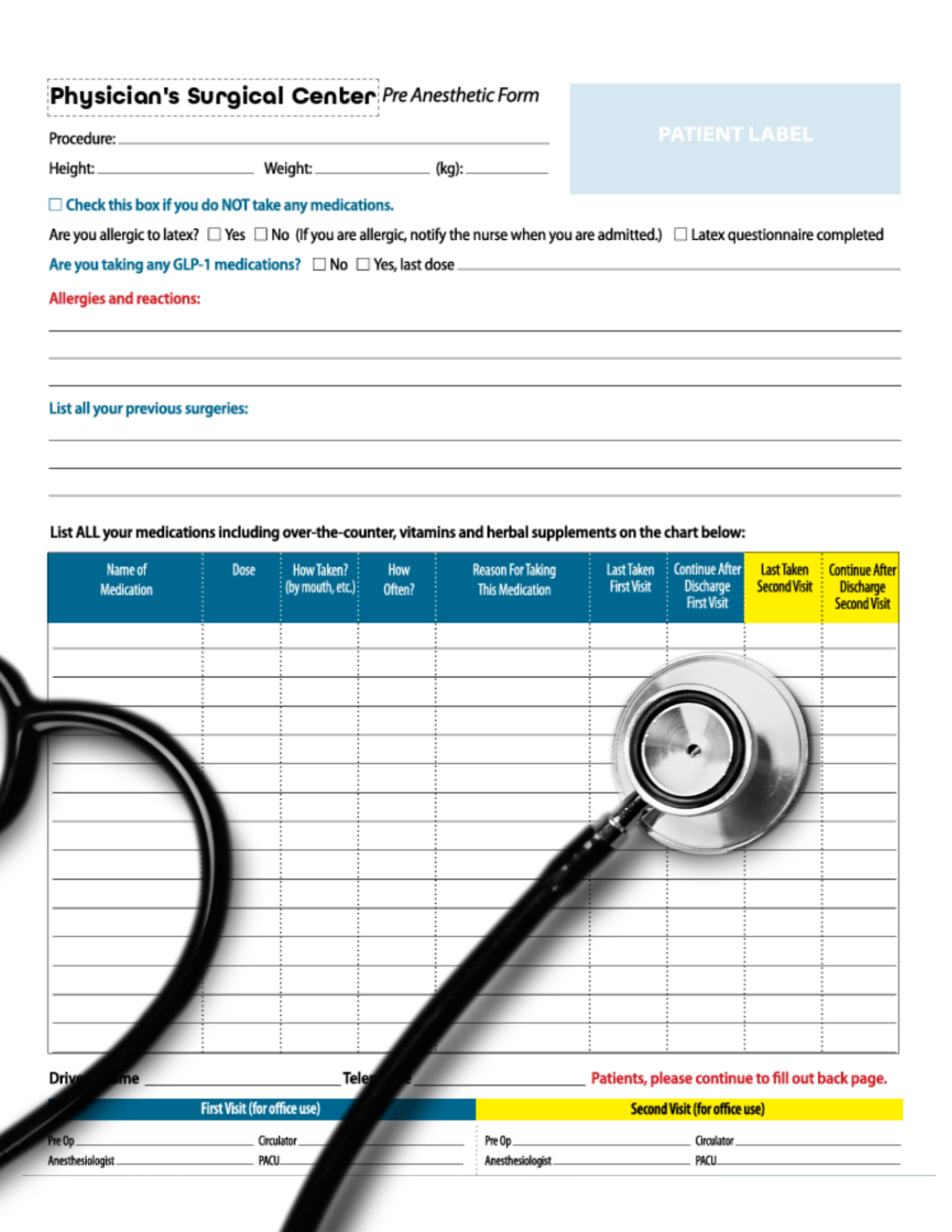
Anesthesia errors can occur during any stage of a medical procedure and may lead to severe injury or even death. These errors typically fall into the following categories:
- Dosage Errors: Administering too much or too little anesthesia can result in complications such as anesthesia awareness (when the patient wakes up during surgery) or, conversely, life-threatening situations like respiratory failure or death.
- Failure to Monitor: Anesthesiologists are responsible for continuously monitoring a patient’s vital signs throughout the procedure. Failure to do so can lead to severe complications, such as cardiac arrest or brain damage, if issues are not promptly addressed.
- Delayed Anesthesia Delivery: Administering anesthesia too late can cause a patient to experience pain or distress during the procedure.
- Improper Intubation: Misplacing the breathing tube or failing to properly intubate a patient can result in insufficient oxygen flow, leading to brain damage, respiratory failure, or even death.
- Allergic Reactions: Failure to review a patient’s medical history or to identify potential allergic reactions to anesthesia drugs can cause serious complications, including anaphylaxis.
- Medication Errors: Administering the wrong medication or failing to account for drug interactions can lead to harmful or fatal outcomes.
Each of these types of anesthesia errors can result in significant harm. Victims of such errors may have grounds for a medical malpractice lawsuit, seeking compensation for injuries, ongoing care, and other damages.
Statute of Limitations for Anesthesia Malpractice Claims
In Florida, individuals who have suffered harm due to anesthesia malpractice must act within a limited timeframe to file a claim or lawsuit against negligent healthcare providers or hospitals. The statute of limitations for medical malpractice can be challenging to navigate, particularly when dealing with the aftermath of a serious injury caused by anesthesia errors. For this reason, it is strongly advised to contact an attorney specializing in Florida anesthesia malpractice law as soon as possible. Consulting with a medical malpractice attorney can help you understand your case and ensure that you file within the statute of limitations.
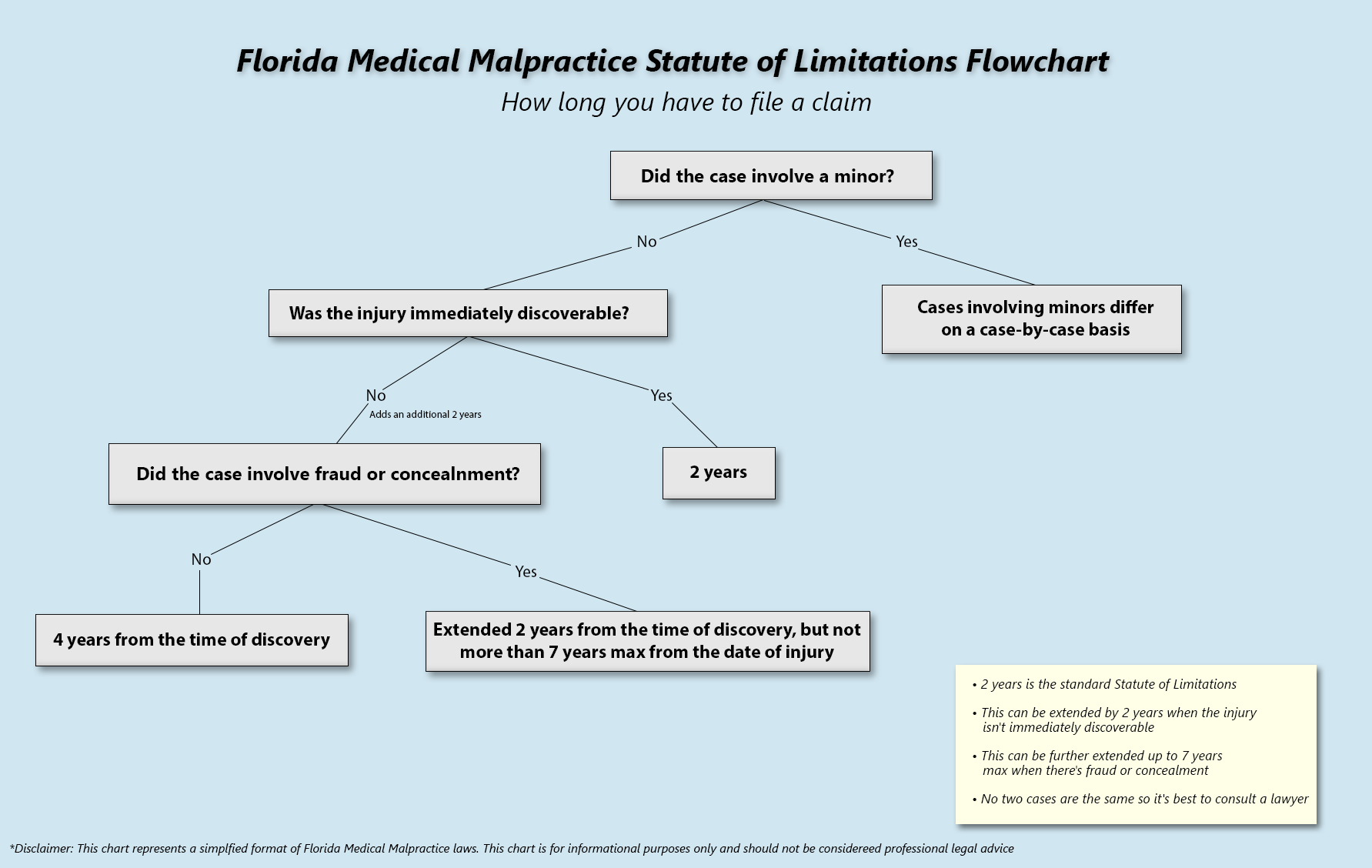
In most cases, the Florida statute of limitations for medical malpractice is 2 years from the date the injury should have reasonably been discovered. What constitutes a “reasonable” discovery period can be a gray area, making the expertise of an experienced anesthesia malpractice attorney critical in establishing your case. Many victims of anesthesia errors miss out on compensation because their case was not properly established within the statute of limitations. Furthermore, Florida’s statute of repose prohibits the filing of claims or lawsuits for medical malpractice for injuries that occurred more than four years prior to filing.
In cases where fraud, concealment, or intentional misrepresentation prevented discovery of the injury, Florida law may extend the filing period. However, these claims are still subject to additional statutory limitations, including a general seven-year maximum period from the date of the incident, with certain exceptions involving minors. Because determining the applicable deadline can be complex, potential claims should be evaluated as early as possible.
For those outside of the 2-4 year window, there may still be options. In some cases where the injury resulted from anesthesia malpractice and involved fraudulent concealment, misrepresentation, or the withholding of critical information, the statute of repose may not apply. However, proving these elements requires the assistance of a skilled attorney who understands the complexities of Florida’s medical malpractice laws.
Acting promptly and working with an attorney is essential to ensure you meet the legal deadlines and receive the compensation you deserve.
Filing a Florida Anesthesia Malpractice Lawsuit
In Florida, anesthesia errors fall within the realm of medical malpractice. Medical malpractice occurs when a healthcare provider violates the established standard of care required for their patients. As with all personal injury cases in Florida, anesthesia malpractice cases place the burden of proof on the plaintiff or their representative to prove negligence, resulting injuries, and/or damages.
Since anesthesia malpractice cases are categorized under medical malpractice, healthcare providers are held to the same standards as defined in Florida statute 766.102(1), which states:
“That level of care, skill, and treatment which, in light of all relevant surrounding circumstances, is recognized as acceptable and appropriate by reasonably prudent similar health care providers.”
Any healthcare provider, including anesthesiologists, who fails to act as a reasonably prudent provider under similar circumstances is in breach of this standard of care and can be held liable for negligence.
While the healthcare provider may be at fault, it is the plaintiff’s responsibility to demonstrate that the negligent provider breached the standard of care, leading to the injury or damages. Once this burden of proof is met, the injured party may recover compensation for medical bills, long-term pain and suffering, future care, and other related damages.
Why Hire Di Pietro Partners for an Anesthesia Malpractice Case?
Medical and Legal Insight
Di Pietro Partners works with a quadruple board-certified physician when evaluating medical malpractice claims, helping the legal team understand both the medical and legal issues involved in complex anesthesia cases.
Healthcare Experience
Managing Partner David Di Pietro has extensive experience handling healthcare-related legal matters and previously served as Chairman of Broward Health, one of Florida’s largest public healthcare systems.
Trial-Ready Representation
Anesthesia malpractice claims are often aggressively defended by hospitals, physicians, and insurance companies. Our attorneys have significant litigation and courtroom experience and are prepared to take a case to trial when necessary.
No Fee Unless We Recover Compensation
Di Pietro Partners handles medical malpractice cases on a contingency fee basis, meaning clients pay no attorney’s fees unless compensation is recovered.
Speak With a Florida Medical Malpractice Attorney About an Anesthesia Error
Anesthesia errors can result in serious and sometimes permanent injuries. Determining whether malpractice occurred may require a careful review of anesthesia records, medications, patient monitoring, and the care provided before, during, and after the procedure.
Di Pietro Partners represents anesthesia malpractice victims throughout Florida, as well as out-of-state clients whose medical injury occurred within the State of Florida. With a quadruple board-certified physician on staff and extensive experience handling complex healthcare matters, our team is equipped to evaluate both the medical and legal issues involved in an anesthesia malpractice claim.
If you or a loved one was harmed because of an anesthesia error, contact the medical malpractice lawyers at Di Pietro Partners for a free and confidential case evaluation. There are no attorney’s fees unless we recover compensation on your behalf.