



Unfortunately, there are times when a physician or medical practitioner makes mistakes or is accused of malpractice during the course of practicing medicine. These mistakes or wrongdoings often result in grievances which are filed with the Florida Department of Health as formal complaints. These complaints can result in serious problems for healthcare practitioners such as fines, restrictions on their practice and even medical license suspension or revocation.
It is important for medical professionals to understand the laws and rules surrounding the complaint process in order to prevent unnecessary hardship in their practice and careers. Often, it is wise to consult a healthcare law attorney that’s experienced in Florida medical board complaints in order to take advantage of their skills and expertise.
Florida Board of Medicine Complaints: Key Takeaways
- Florida Board of Medicine complaints can lead to an investigation by the Florida Department of Health and, in some cases, formal disciplinary proceedings.
- Complaints are reviewed for legal sufficiency before an investigation moves forward, and some matters may be closed without further action.
- Florida generally applies a six-year limitations period to disciplinary matters, measured from the incident or occurrence giving rise to the complaint, subject to statutory exceptions.
- A physician is not legally required to hire an attorney, but early legal representation can help with responding to allegations, reviewing records, communicating with investigators, and protecting professional interests.
- If probable cause is found, the matter can become public and may proceed to formal administrative action involving penalties, probation, suspension, or other licensing consequences.
Details Surrounding Complaints
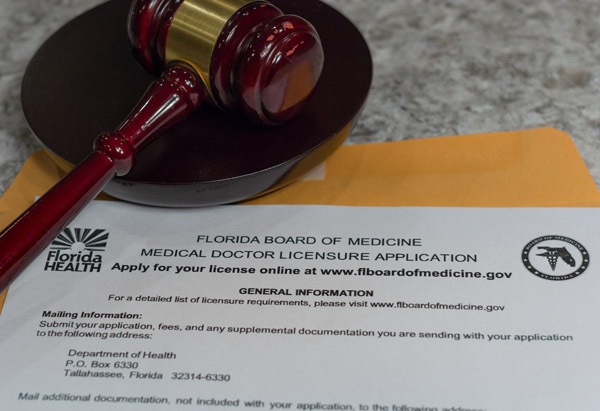
In Florida, complaints can be filed against medical practitioners for wrongdoing committed during their practice of medicine, or against the practices of their office. These complaints can result in the regulatory board taking the following actions being against a doctor, physician or other medical professional:
- Imposition of fines
- Restriction of practice
- Probation
- Reprimands
- Remedial education
- Medical license suspension or revocation
These administrative actions can seriously limit a medical professional’s ability to perform their job and their ability to run their practice. In certain circumstances, they can even force a practice to close down and terminate a doctor’s ability to practice medicine permanently. It should be noted that disputes involving fees, issues of manners or rudeness of practitioners and personality conflicts are not covered under this complaint process and will not be investigated.
Time Period for Filing
Generally, disciplinary matters involving Florida healthcare licensees are subject to a six-year limitations period. Florida Statute § 456.073(13) provides that an administrative complaint against a licensee must generally be filed within six years after the incident or occurrence giving rise to the complaint. Because of this limited time period, it is essential that the investigation and finding of probable cause be completed prior to the expiration of the SOL.
The statute contains exceptions for matters involving criminal actions, diversion of controlled substances, sexual misconduct, or impairment. It also provides an extended period, generally not exceeding 12 years from the incident or occurrence, when fraud, concealment, or intentional misrepresentation prevented discovery of the violation.

Frequently Asked Questions
Q. Do I need an attorney if a complaint is filed against me?
No. Florida law does not require you to hire an attorney simply because a complaint has been filed against you. However, because a Board of Medicine complaint can lead to an investigation and potentially serious consequences for your professional license, healthcare providers should strongly consider involving an experienced healthcare attorney as early in the process as possible. An attorney can help you understand the allegations, review relevant records, communicate with investigators, and prepare an appropriate response before the matter progresses further.
Q. Does this apply to veterinarians or animal-related complaints?
No. Our firm focuses exclusively on human healthcare professionals licensed by the Florida Department of Health, such as physicians, nurses, and other medical providers. We do not handle veterinary licensing or animal malpractice matters.
Q. Will I be notified if someone files a complaint against me?
Generally, yes. If the Florida Department of Health undertakes an investigation, it generally must promptly provide you or your attorney with a copy of the complaint or other document that initiated the investigation. You ordinarily have 20 days after service to submit a written response. However, Florida law allows the Department to withhold notification in certain circumstances, including when notification could be detrimental to the investigation or when the conduct under investigation is a criminal offense.
Q. Are complaints against me public?
Not initially. Complaints remain confidential until 10 days after a finding of probable cause. If no probable cause is found, the complaint remains permanently confidential. However, if probable cause is found, the complaint becomes public record and may appear on your license profile.
Q. What types of allegations can lead to disciplinary action?
Common allegations include improper prescribing, medical malpractice or other failures to meet applicable standards of care, unprofessional conduct, or violations of state or federal laws or professional regulations. Not all complaints result in discipline, but each should be taken seriously.
Q. What types of professionals do you represent in licensing matters?
We represent licensed healthcare professionals regulated by the Florida Department of Health, including physicians, nurses, pharmacists, and other medical providers. The Florida Board of Medicine specifically regulates professions including medical doctors, physician assistants, and anesthesiologist assistants, while nurses, pharmacists, and many other healthcare professionals are regulated through their own Florida licensing boards. If your matter involves veterinary medicine or animal care, you may need to consult an attorney who focuses specifically on that area.
Q. What are the possible outcomes of a complaint?
Outcomes range from case dismissal to formal discipline such as fines, practice restrictions, probation, remedial education, suspension, or revocation of your license.
Q. Can a complaint be dismissed without action?
Yes. A complaint may be closed at the initial review stage if it is not legally sufficient. Even after legal sufficiency is found and an investigation begins, the Florida Department of Health may dismiss all or part of a case if there is insufficient evidence to support prosecution. A case may also be closed if no probable cause is found. An attorney can help you prepare a response and address the allegations and evidence raised during the investigation.
Q. How long does the investigation process take?
Timelines vary depending on the complexity of the complaint. Florida law states that the Department should complete its initial investigative findings and recommendations concerning probable cause within six months after receiving the complaint. However, that six-month period is not an absolute deadline, and some investigations or disciplinary proceedings can take longer. Florida law also requires the Department to report the status of matters that have not been completed within one year after the complaint was filed.
Q. Will this affect my hospital privileges or employment?
Potentially. Even before a complaint is resolved, pending investigations may impact credentialing, employment contracts, or insurance panel participation. Early legal intervention can help mitigate reputational damage.
Q. What if I suspect the complaint is retaliatory or false?
A complaint that is not legally sufficient may be closed without an investigation. However, if the Florida Department of Health opens an investigation, you should still respond appropriately even if you believe the allegations are false or retaliatory. Your attorney can present evidence to address the allegations, identify inconsistencies or credibility issues, and explain relevant circumstances surrounding the complaint.
Why Hire Di Pietro Partners for a Florida Board of Medicine Complaint?
Experienced Healthcare Law Attorneys
Di Pietro Partners represents physicians and other healthcare professionals in regulatory, licensing, and investigative matters involving the Florida Department of Health and professional licensing boards.
Early, Strategic Involvement in the Investigation
Our attorneys can become involved before a Board complaint progresses to formal disciplinary proceedings. Di Pietro Partners healthcare attorney Nicole Martell emphasizes the importance of preserving relevant documents, understanding the scope of the investigation, reviewing the actual evidence, identifying potential vulnerabilities, and developing a response strategy early in the process.
Medical Insight When Clinical Issues Are Involved
Di Pietro Partners also works alongside Dr. Tiffany Di Pietro, a quadruple board-certified physician in Internal Medicine, Cardiology, Nuclear Cardiology, and Echocardiography. When a Board complaint involves patient care, medical records, treatment decisions, or other clinical issues, her medical background can provide the legal team with additional insight into the underlying healthcare issues.
Experience With Administrative Proceedings
Florida Board of Medicine matters are administrative proceedings and can involve investigations, probable cause review, settlement negotiations, and formal hearings. Our attorneys help healthcare professionals navigate these procedures and prepare for each stage of the process.
Focused on Protecting Your License and Career
A Board complaint can affect more than the immediate investigation. Potential consequences may involve a physician’s license, reputation, employment, credentialing, and ability to practice. Our defense strategy considers those broader professional consequences from the beginning.
Consult a Florida Healthcare Lawyer For Board of Medicine Complaints
A Florida Board of Medicine complaint can put your professional license, reputation, and ability to practice at risk. The investigation process may involve document requests, interviews, expert review, probable cause proceedings, settlement negotiations, or a formal administrative hearing.
Di Pietro Partners represents physicians and other healthcare professionals in matters involving the Florida Department of Health and the Board of Medicine. Our attorneys help clients evaluate the allegations, preserve important records, respond to investigators, prepare written submissions, and develop a defense strategy tailored to the potential licensing and career consequences.
Early legal guidance can help prevent avoidable mistakes, protect your procedural rights, and position the matter for the strongest available resolution.
Contact Di Pietro Partners for a confidential consultation with a Florida healthcare attorney experienced in Board of Medicine complaints and physician license defense.