

Solid estate planning documents written by experienced attorneys that specialize in this area of law remain extremely important. Many families establish well-constructed plans and update documents as time passes and family dynamics change. However, some documents may be outdated or may have been changed without family members’ knowledge. Any recent changes made to an elderly person’s estate plan should be investigated. Interested parties should seek legal advice immediately if there are any concerns over estate planning documents.
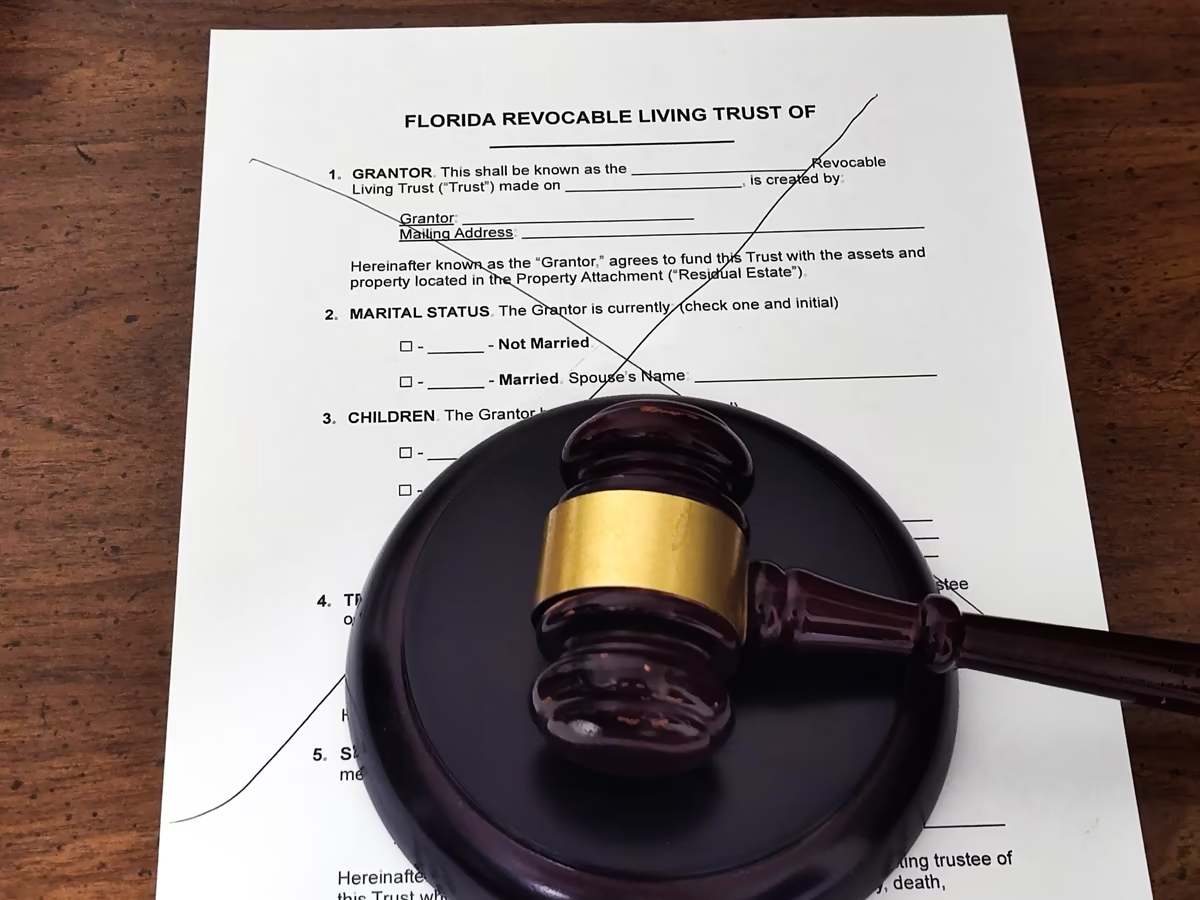
Reasons for Florida Estate Litigation
Estate litigation arises over disputes regarding the administration, distribution, or validity of the estate planning documents. The disagreements are governed by the Florida Probate Code (Chapters 731-735) and the Florida Trust Code (Chapter 736). If the deceased person only had a will, the Florida Probate Code legislation applies. However, if the decedent also had a trust the Florida Trust Code laws will be followed. Many people have a will and trust as part of the estate plan. Consequently, the Probate Code Laws and the Florida Trust Code Laws apply. Experienced attorneys thoroughly understand Florida’s estate litigation legislation. So, contact an attorney immediately if you are concerned about any of the following:
- Will Contests– Interested parties may have grounds to contest a will if the person writing the will (testator) lacked the capacity to do so. For example, if a person had dementia or was heavily influenced by another party, the will may be invalid. Florida Statutes 732.501 covers this area. Sadly, this sometimes happens to elderly or disabled people. Additionally, if fraud or forgery was involved or if the will was improperly executed Florida Statutes 732.502 applies. The improperly executed will may be thrown out.
- Trust Disputes – Like Will Contests, disagreements over trust documents may include capacity and undue influence concerns. Also, a trustee may be removed for not handling the trust efficiently or honestly. Trust Code 736.0706 involves trustee removal for self-dealing or ineffective management of trust.
- Breach of Fiduciary Duty – A personal representative of an estate must handle all financial matters exactly as the will or trust document states. If the executor or trustee decides to sell a property for less than market value, or distribute estate funds inappropriately, this is a breach of fiduciary duty. In other words, dishonesty or plain carelessness is inexcusable. Other times a personal representative may decide to give more money to a certain member of the family, or themselves. This is illegal. In these situations, a new personal representative may be appointed by the court. Once again, an attorney’s guidance is vital in emotional matters.
- Elective Share and Family Rights – Florida protects spouses and families. Regardless of what a will says, a spouse may not totally disinherit a married partner. If this happens to you, contact an attorney immediately. There are time limits to filing the necessary paperwork regarding spousal disinheritance. Also, there are Florida homestead protection laws where a surviving spouse generally receives a life estate to live in the house. The only exception may be a prenuptial or postnuptial agreement. Consequently, contact an attorney immediately if you are disinherited.
- Creditor Claims – Creditors have approximately three months after the notice of administration regarding an estate is published. Florida Statutes 733.702 outlines the deadlines regarding this process. If there are disputes regarding any creditor claims to the estate, your attorney may handle the situation.
- Asset Distribution – Beneficiaries may disagree over asset distribution even with a well-executed will/trust document. An attorney is very helpful in these situations. Even if the case ends up in court, your attorney becomes necessary to protect everyone’s interests.
2026 New Legislation
Effective July 1, 2026, an increase in the summary administration threshold from $75000 to $150000 takes effect. This means that more estates may use a simplified probate process instead of a more formal proceeding. It’s important to note that this simply states how the case proceeds in court. The 30% spousal elective share still applies, and the homestead property is not included in the $150000. The good news is that a summary administration resolves more quickly. Your attorney may provide details if this applies to you.
The Importance of Hiring an Experienced Attorney
After the loss of a beloved family member, people are often in a state of shock and tremendous grief. Unfortunately, this normal reaction may prohibit families from carrying out their loved ones’ wishes. When we are not thinking straight, we often can’t focus on legal matters. Yet, time is not on your side when it comes to estate litigation. So, as soon as you see the will/trust documents and notice any issues, contact an estate litigation attorney immediately.
Attorneys need time to gather evidence, evaluate family dynamics to see who should legally inherit estate, gather witness testimony, evaluate medical records and other important issues. Equally important, as your family navigates the process of asset distribution, watch for signs of any problems. Remember, Florida law places time constraints on filing any disputes. Therefore, hire an experienced Florida estate Litigation attorney to navigate the court system.